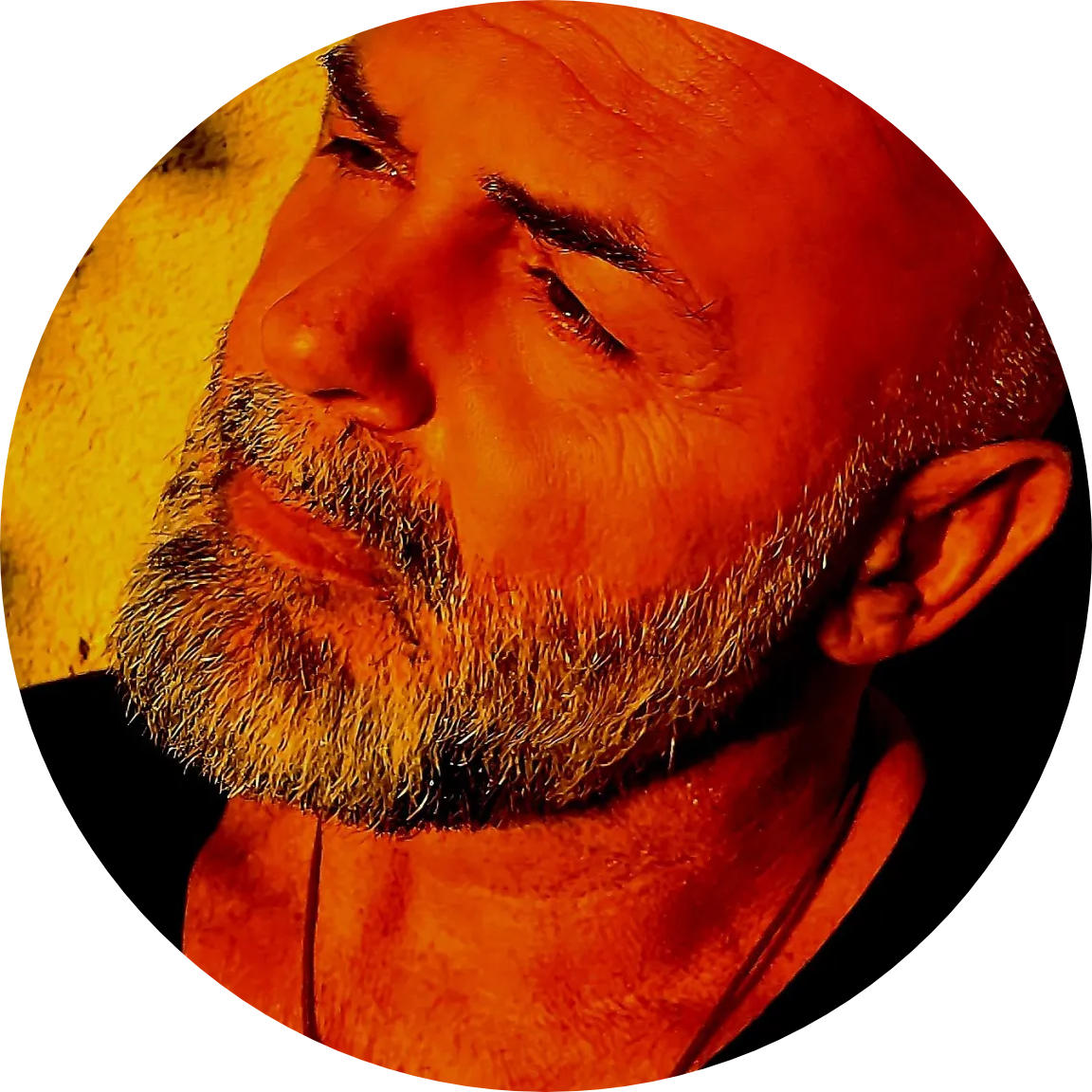
Dr. Alan Rabinowitz CEO of Panthera
About Dr. Rabinowitz…
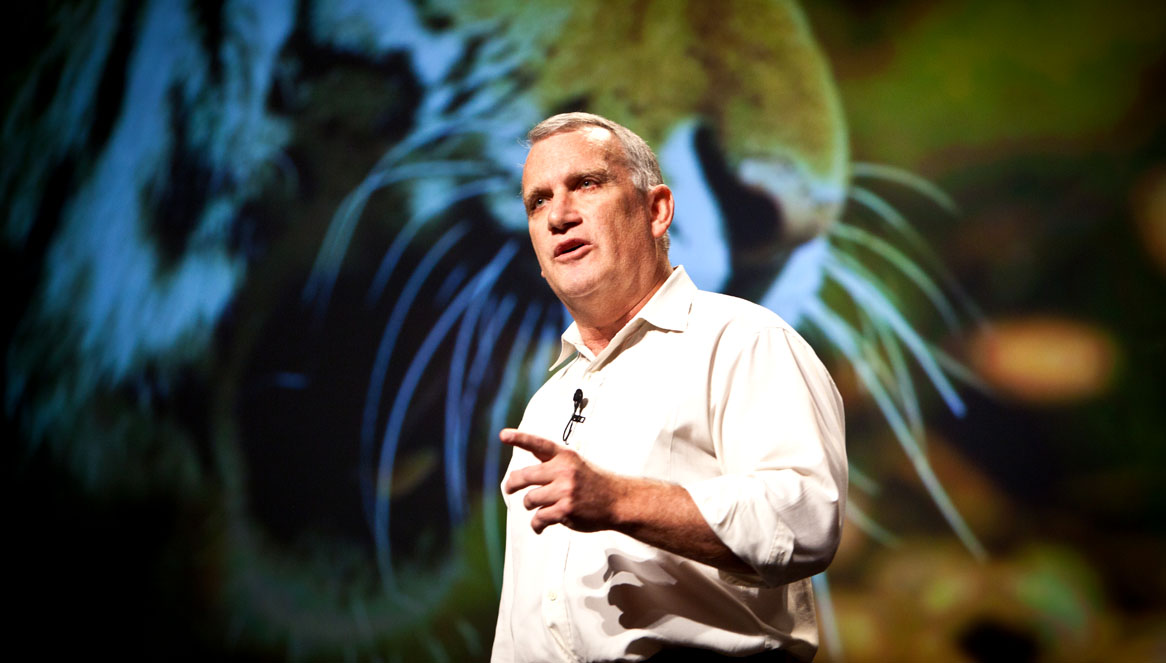
Dr. Alan Rabinowitz is one of the world’s leading big cat experts, and has been called ‘The Indiana Jones of Wildlife Conservation’ by TIME Magazine. Dr. Rabinowitz graduated from the University of Tennessee in 1981 with an M.S. in zoology and a Ph.D. in Wildlife Ecology and is currently the CEO of Panthera, a nonprofit organization devoted to saving the world’s wild cat species. Prior to co-founding Panthera with the organization’s Chairman, Dr. Thomas S. Kaplan, Rabinowitz served as the Executive Director of the Science and Exploration Division for the Wildlife Conservation Society for almost 30 years.
Dr. Rabinowitz has traveled the world on behalf of wildlife conservation and over the years has studied jaguars, clouded leopards, Asiatic leopards, tigers, Sumatran rhinos, bears, leopard cats, raccoons, and civets. His work in Belize resulted in the world’s first jaguar sanctuary – the Cockscomb Jaguar Preserve.; his work in Taiwan resulted in the establishment of this country’s largest protected area and last piece of intact lowland forest; his work in Thailand generated the first field research on Indochinese tigers, Asiatic leopards, and leopard cats, in what was to become the region’s first World Heritage Site; and his work in Myanmar has led to the creation of five new protected areas, including the country’s first marine national park, first and largest Himalayan national park, and the world’s largest tiger reserve in the Hukaung Valley.
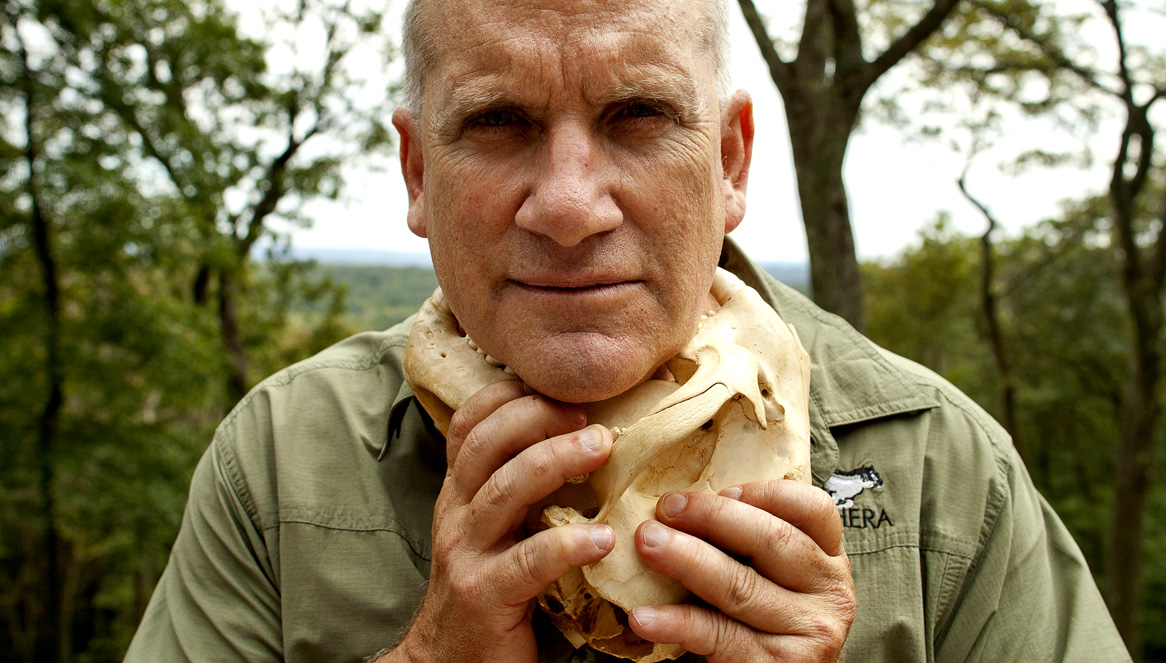
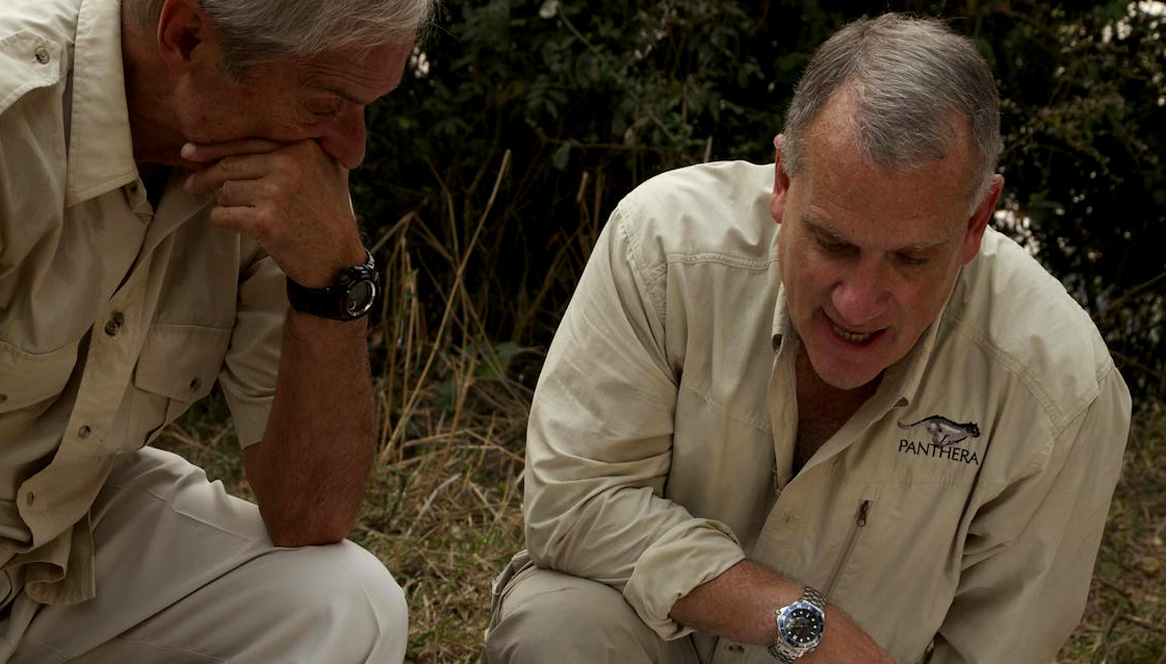
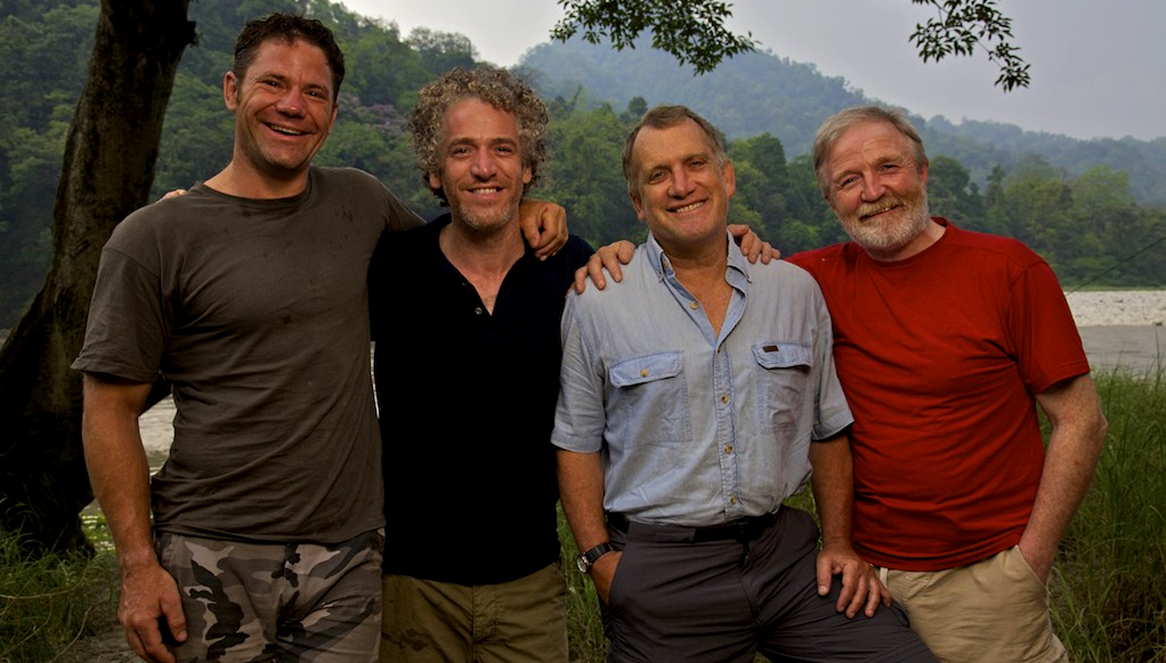

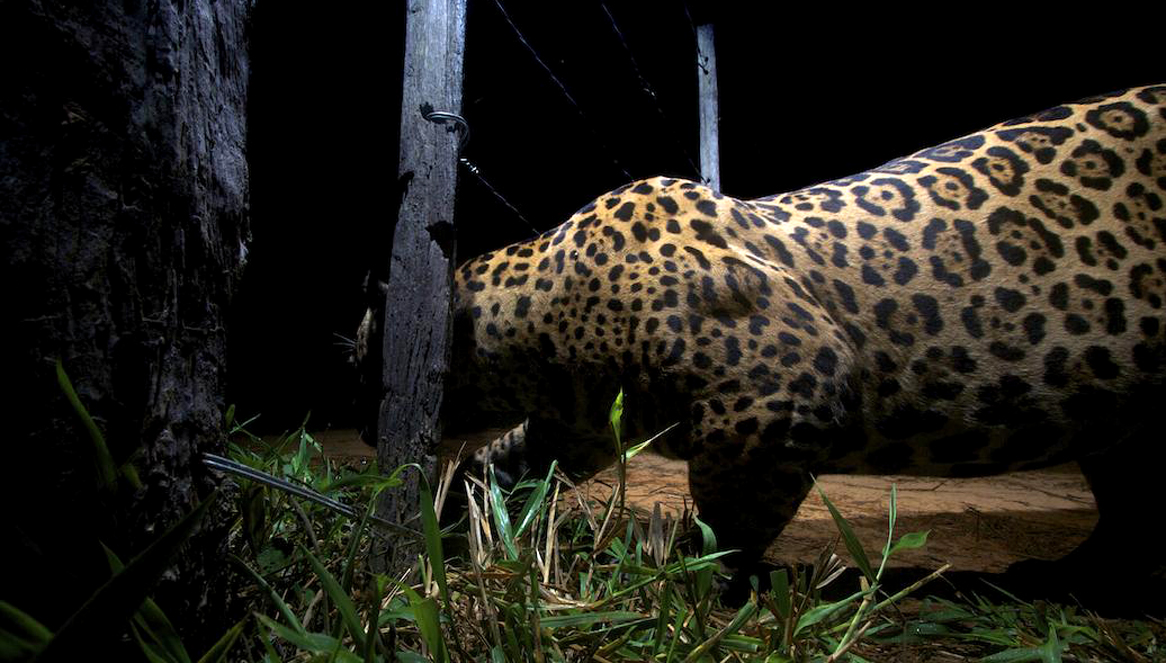
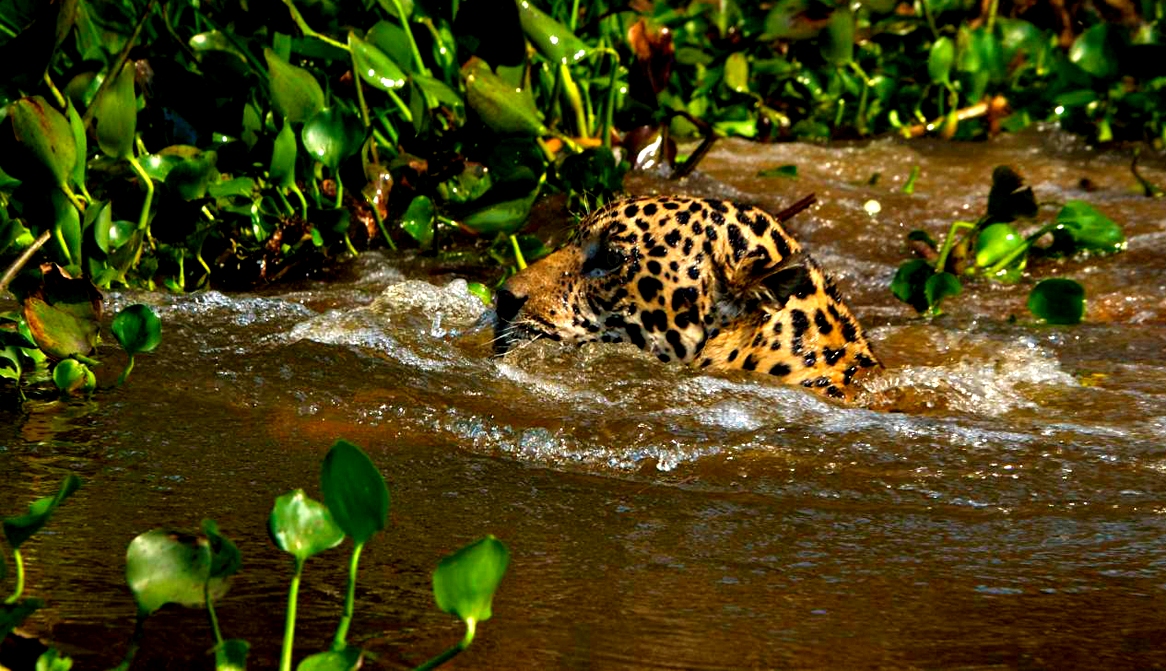
Dr. Rabinowitz has dedicated his life to surveying the world’s last wild places, with the goal of preserving wild habitats and securing homes, on a large scale, for some of the world’s most endangered mammals. His focus on cats is based on conserving top predators, which affect entire ecosystems. By saving cats, the impacts are far reaching and conserve vast landscapes upon which many species depend, including humans. One of Dr. Rabinowitz’s greatest achievements was the conceptualization and implementation of the Jaguar Corridor – a series of biological and genetic corridors for jaguars across their entire range from Mexico to Argentina. Dr. Rabinowitz also initiated Panthera’s Tiger Corridor Initiative; an effort to identify and protect the world’s last remaining large interconnected tiger landscapes, with a primary focus on the remote and rugged Indo-Himalayan region of Asia.


PANTHERA.ORG
https://panthera.org/cat/jaguar
http://www.panthera.org/action-center/donate
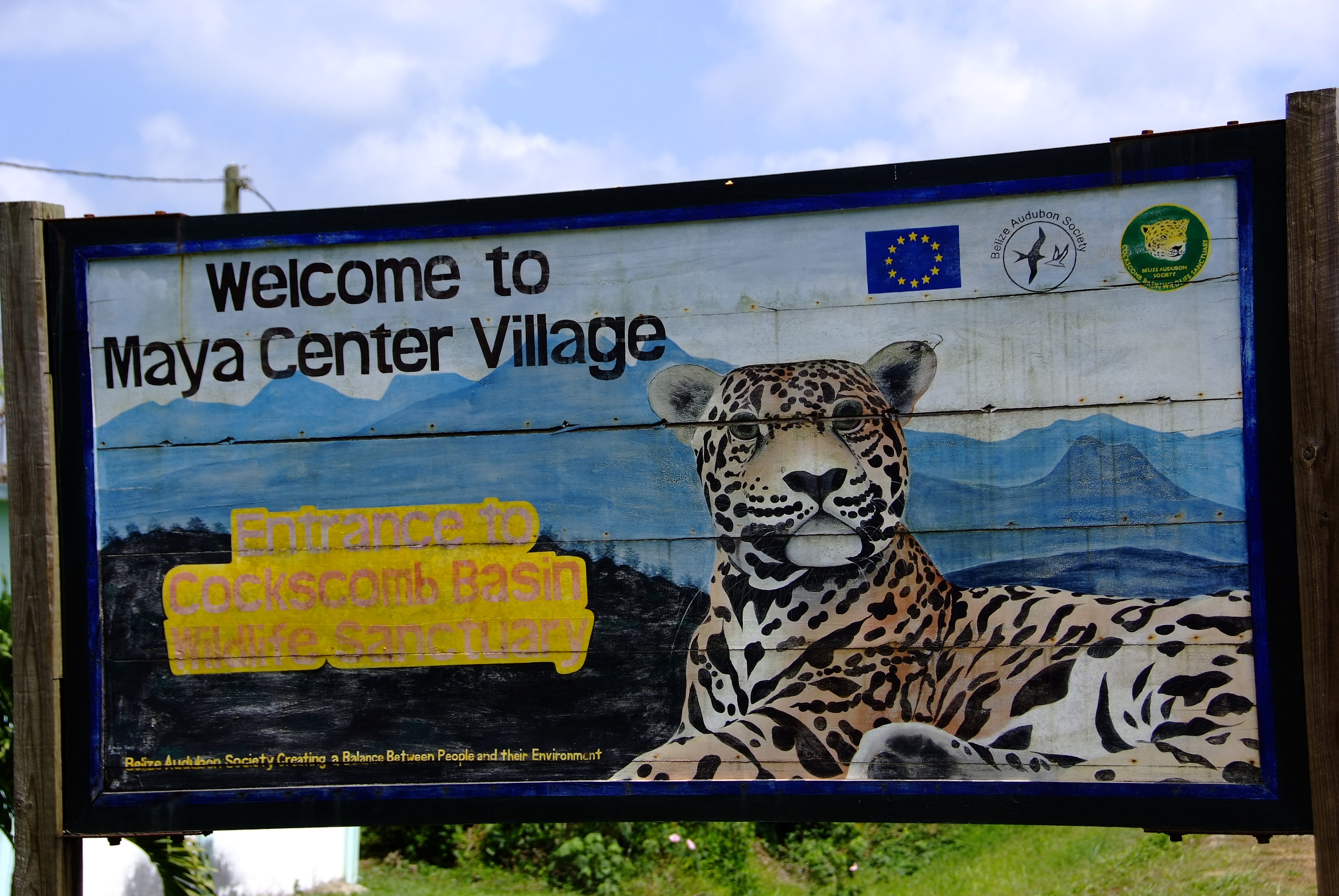
Sur les traces du jaguar avec Cirillo… Cockscomb Basin Wildlife Sanctuary in Belize is the world’s first jaguar reserve
Un avant goût de la réserve… Tata Duende.Esprit des forêts et du bush belizien.
Chaque pays possède ses mythes et légendes, alors,comment un pays comme le Belize n’aurait pas sa part de personnages ou animaux mystérieux. Cirillo, votre guide spécialiste du jaguar qui vous guidera pendant ses 4 jours au cœur de la réserve de Cockscomb habitat naturel de l’emblématique félin, déclaré réserve naturelle en 1984 et centre de préservation de l’espèce en 1986. La réserve est l’aboutissement de nombreuses années de travail et de persévérance mené par le botaniste et zoologue Sir Alan Rabinowitz avec l’aide de différents organismes nationaux et internationaux, le combat d’un homme pour mettre en place la première réserve de jaguar dans le monde.
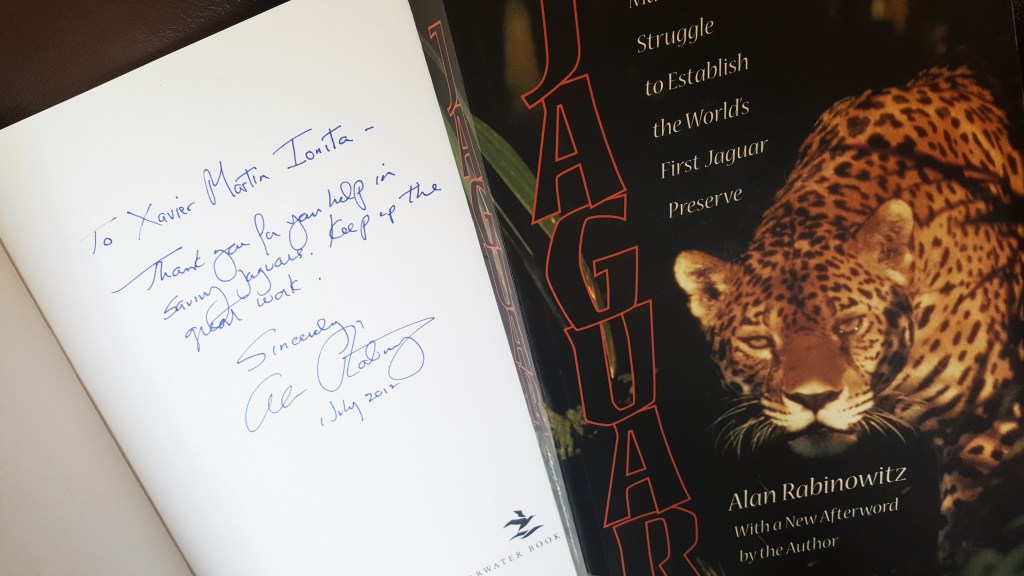
Retrouver ses études dans le livre : Jaguar “One Man’s struggle to establish the world’s first jaguar preserve” par Alan Rabinowitz, Arbor House, 1986. http://www.longitudebooks.com/find/p/11959/mcms.html
Cirillo, vous contera le soir dans votre campement autour d’un repas, l’étrange expérience qu’a pu vivre Sir Alan Rabinowitz… de nombreux récits identiques ont été rapportées par des chercheurs, botaniste et zoologue, comme le récit d’Alan auprès de Cirillo.
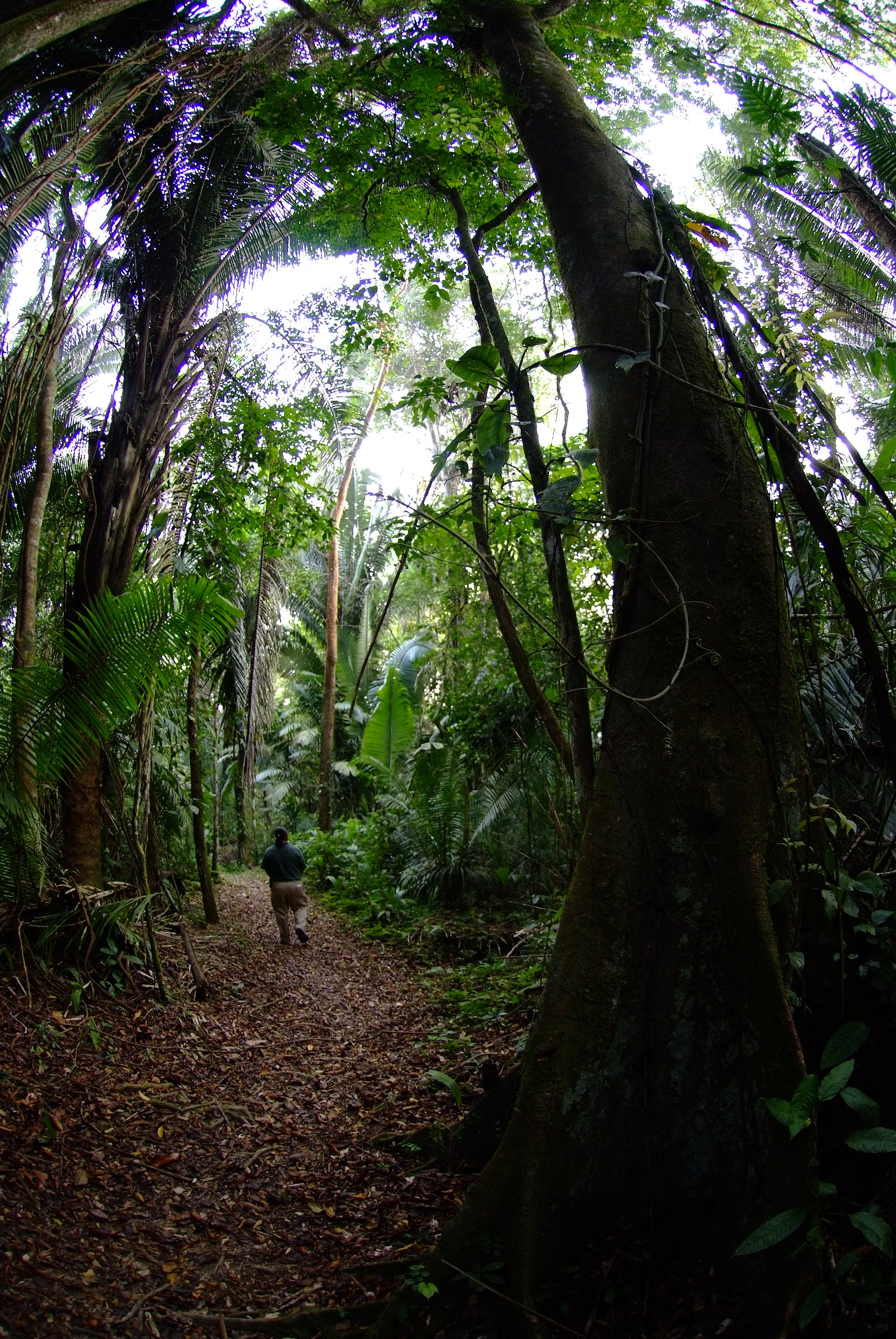
Récit…Alors que Cirillo préparait le campement au fond de la jungle sur les hauteurs proche du sommet de Victoria peaks, au crépuscule, Alan se trouvait en véhicule à rouler sur les sentiers forestier pour rejoindre son campement, celui ci se retrouva nez à nez avec un personnage sorti subitement de la foret, Alan braqua d’un coup sec le véhicule dans un buisson mis les pleins phares « tremblant et perturbé par cette apparition » il figea son regard sur cet étrange petit homme dont la taille était de 90 cm, vêtu d’une peau de bête et d’un grand chapeau il tenait dans sa main un bâton…Il s’agissant apparemment du « Tata Duende » d’autres témoignage de scientifiques, de rangers du parc et d’autochtones ont fait objet de cette curieuse rencontre au fond de la foret à la tombée de la nuit dans la réserve de Cockscomb.
*Duende en espagnol signifie « nain ou lutin » le Duende est souvent vêtu de peaux de bête et porte toujours un grand chapeau, de petite taille, les talons inversé, de forme humanoïde et une tête disproportionné par rapport a sa petite taille il tient souvent à la main, machette, bâton ou guitare, filou mais pas malveillant , il possède des pouvoirs hypnotiques.
Très présent dans le folklore du Belize, il est l’effigie des timbres postes du pays.
Dans les croyances, il représente l’esprit de la foret et de l’obscurité, représentant le pouvoir de la terre, mélange de traditions amérindiennes et africaines et protecteur des animaux de la forêt, gare aux chasseurs !!!
*Par l’anthropologue Michael Howard (1974, kekchi shaman/croyances religieuses et la tradition belizean Jungle. National Studies, Vol. 3 [2]: 3 ~ ~ 9).
 Hotels Representation & Adventures & Experiential Travel Consulting Belize